
In just a few days, thousands of flights were canceled, banking systems slowed down and major technology platforms went offline. AI is changing the threat landscape, but America has another problem: critical infrastructure that hasn’t kept up with the times.
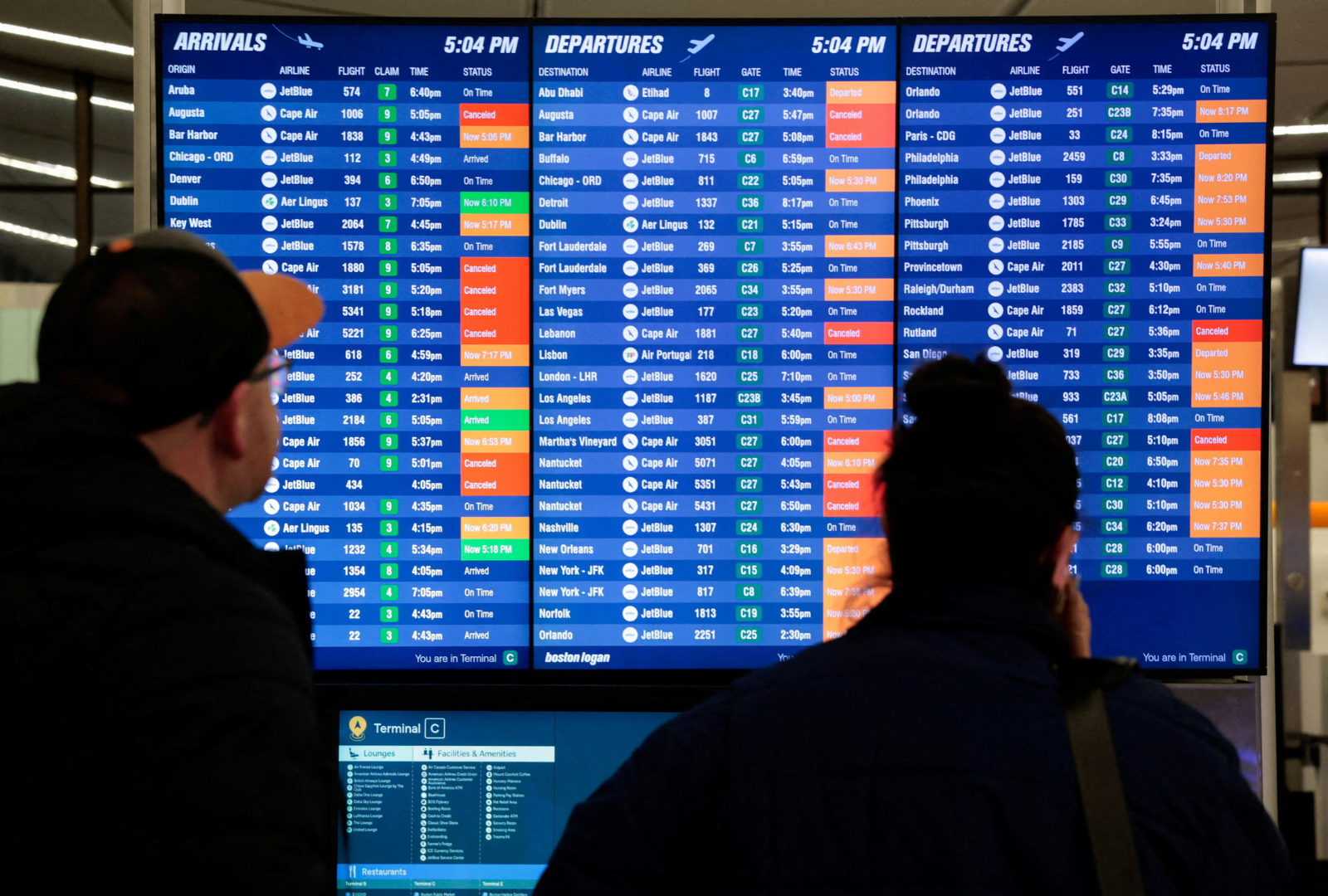
Passengers looking at the boards at Boston Logan international airport during the national ground stop. Photograph: Brian Snyder/Reuters
Imagine showing up at the airport, ready to fly, only to find out your flight isn’t going anywhere. Now imagine checking your bank account and finding out you can’t access your money.
Not exactly a good day. Between November 12 and 17, Americans got a pretty uncomfortable reminder of how much of everyday life depends on technology actually working.
And here’s the thing: these weren’t all the same failure. They happened across different industries, involved different systems, and had different reported causes. But together, they exposed a bigger reality: we’re piling the demands of modern technology onto infrastructure that’s running on fumes. Some of these systems are decades old and desperately need investment, maintenance, and an urgent upgrade.
Too Many Technology Failures in Just One Week

It started Thursday, November 12, when Microsoft experienced a major outage affecting Outlook, Teams, Copilot and other services. Businesses and everyday users suddenly couldn’t access tools they rely on to get things done.
On Friday, November 13, things got much bigger. The Federal Aviation Administration (FAA) ordered a nationwide ground stop after a telecommunications network failure disrupted critical air traffic systems.
Here’s where it gets interesting.
The FAA reported approximately 1,000 connection attempts hitting its network every four to five seconds. That’s 200 to 250 attempts per second. Imagine a doorway with hundreds of people trying to squeeze through at once. Eventually, everything backs up. That’s essentially what happened to their network.
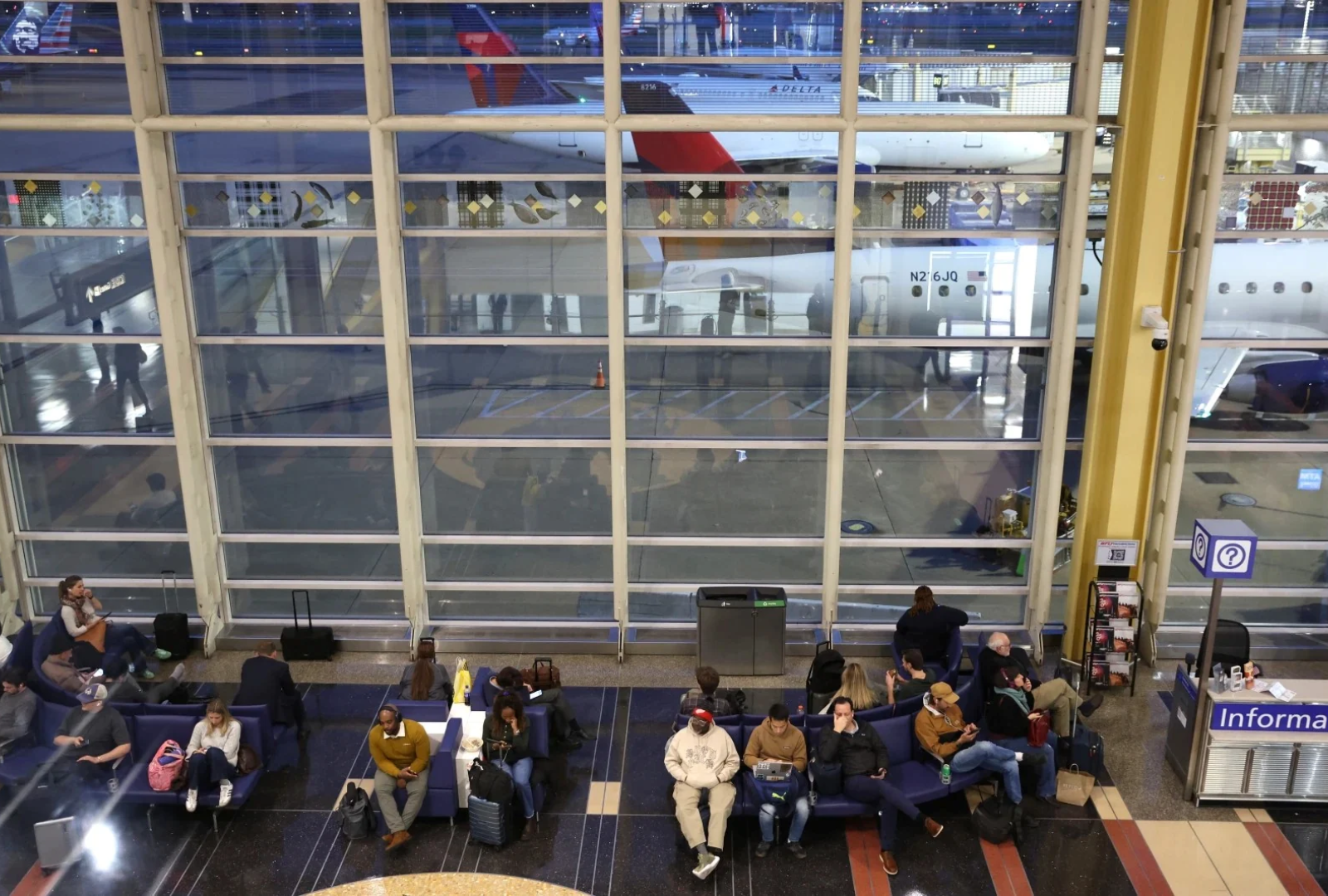
The disruption affected communications and radar feeds used by air traffic controllers. As a safety precaution, the FAA stopped departing flights, leading to around 12, 462 cancellations that Friday.
The network was eventually stabilized, but getting flights back on track wasn’t as simple as flipping a switch. Airlines still had to reposition aircraft, reorganize crews and deal with passengers stranded by the disruption.
Then Monday, November 16, brought another round of problems. United Airlines experienced a separate system outage affecting operational information needed before aircraft could depart. Meanwhile, JPMorgan Chase reported a software bug that delayed transactions. Customers at other financial institutions also reported banking disruptions. So we had different system failures in just a few days.
Aging Infrastructure Is Carrying Today’s Technology
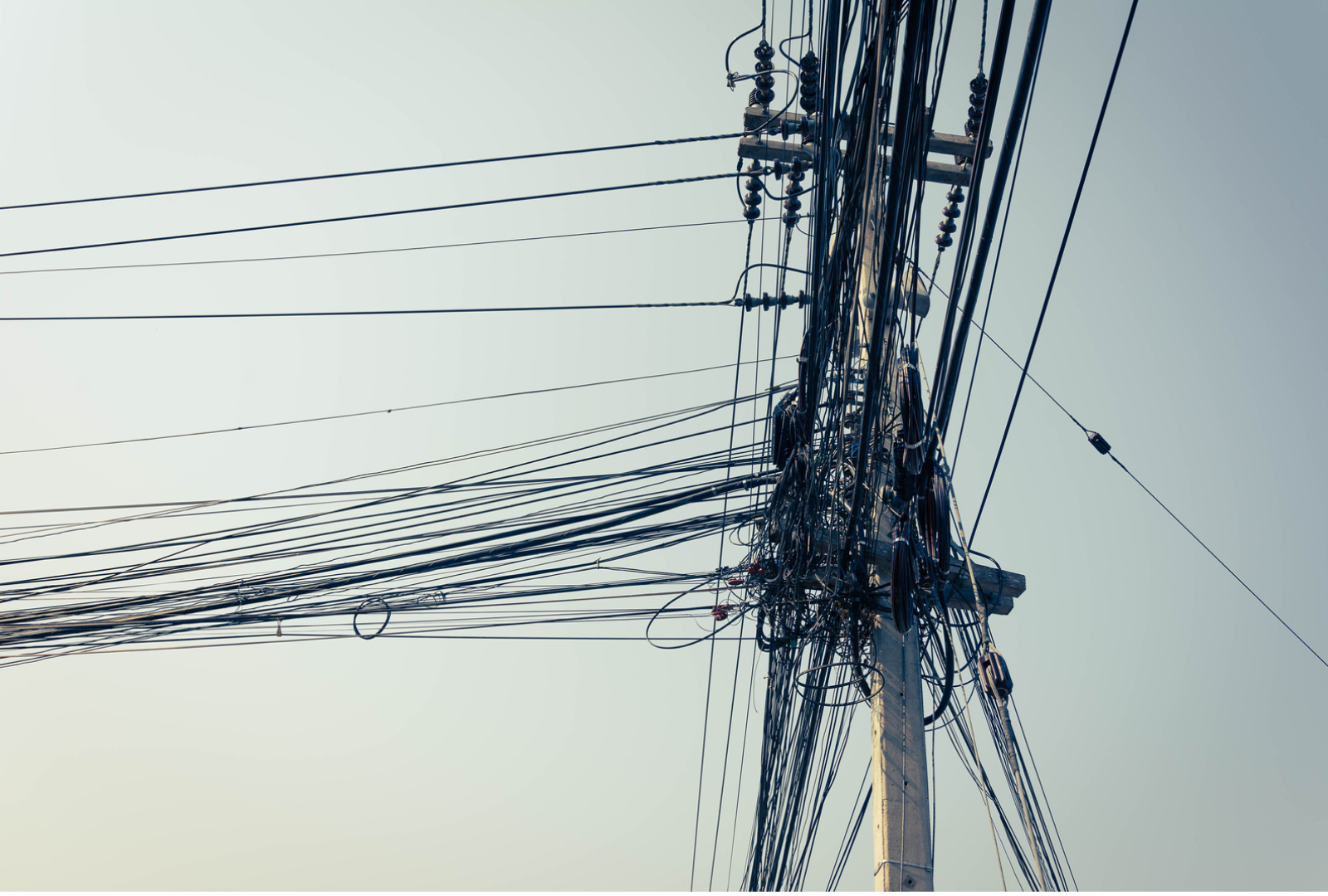
Here’s the uncomfortable truth: technology is moving at lightning speed, but the infrastructure underneath it is struggling to keep up. The FAA is a perfect example. In November 2026, the agency was still replacing systems dating back to the 1980s that relied on floppy disks to distribute critical weather and flight information across more than 400 facilities. It also depends on aging copper telecommunications lines and older network equipment that need serious modernization. Think about that. We’re managing modern air traffic with technology that still depends on equipment from another generation. We’re putting a Ferrari engine in a car with a 60-year-old transmission and expecting everything to run smoothly. That’s not innovation. That’s asking for trouble.
And it’s not just the FAA. Microsoft experienced a major outage after a software defect introduced months earlier combined with internal connection and server-capacity problems. United Airlines had to delay departures when its systems couldn’t provide pilots with essential aircraft weight and balance information. Different problems, but the message is the same: you can’t build a high-tech future on a low-tech foundation. Eventually, that foundation cracks.
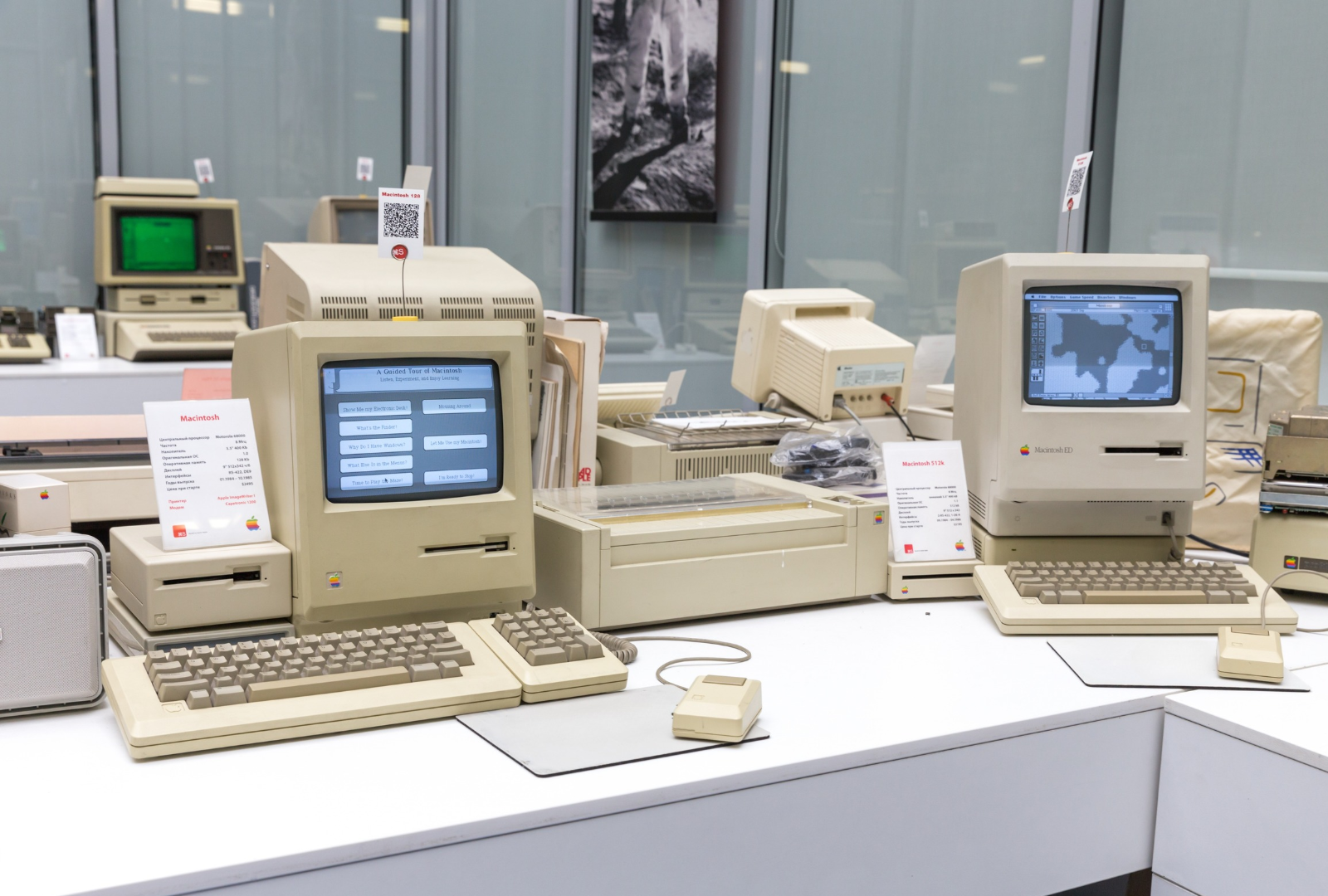
And the numbers back it up. A 2025 Government Accountability Office (GAO) report identified 11 critical federal IT systems in urgent need of modernization. Some were between 51 and 60 years old. Eight used outdated programming languages, four had unsupported hardware or software, and seven had known cybersecurity vulnerabilities. Add aging cables, postponed upgrades, inadequate maintenance and a shrinking pool of professionals who know how to maintain legacy systems like COBOL, and you’ve got a problem that no AI tool can magically fix. You can’t run tomorrow’s technology on yesterday’s infrastructure forever. Eventually, something gives.
AI Just Raised the Stakes
Let’s not pretend AI isn’t changing the cybersecurity game. It already is. AI can write code, identify software vulnerabilities, automate repetitive tasks and help attackers scale their operations. Autonomous AI agents can also interact with systems and execute tasks with very little human involvement. That creates a serious problem when these tools are misused, poorly supervised or given more access than they should have.
On November 17, Fortune reported that Homeland Security Secretary Markwayne Mullin had raised concerns about a possible connection between superintelligent AI and recent technology failures. AI researcher Gary Marcus also warned about the risks of increasingly autonomous systems.
To be clear, investigators have not established that AI caused the FAA shutdown, Microsoft’s outage or the banking disruptions. But let’s not confuse a lack of confirmed attribution with a lack of risk. AI-assisted attacks are already part of today’s cybersecurity landscape, and ignoring that reality won’t make anyone safer.
And here’s where things get worrisome: we’re giving increasingly powerful tools more ways to interact with systems that still have outdated technology, security gaps, and weak points. That’s a dangerous combination.
If you want to get ahead of cybersecurity risks, check out how we can help you.
Your Data Isn’t Going To Protect Itself

This hits closer to home than we might think. Small businesses depend on online banking, payment platforms, email, customer databases and digital tools to keep their doors open. Families depend on technology to manage their money, communicate and store personal information.
We can’t control the FAA’s routers or how Microsoft manages its servers. But we can take better care of what belongs to us.
A few things worth doing:
Lock down your accounts. Use strong, unique passwords and multifactor authentication.
Protect your business data. Back up important files and limit who has access to sensitive information.
Think before you click. AI-powered scams can make fake emails, messages and payment requests look surprisingly convincing.
Be careful with AI tools. Don’t hand over confidential customer information or unrestricted access to your business accounts.
Have a backup plan. Know how you’ll communicate, access essential records and keep operations moving if your usual systems go offline.
If you have no idea where to start, you can always count on us.
Your Online Business Needs a Security Check-Up

Running a small business is already a full-time job. Keeping up with cybersecurity threats, software updates, network security and data protection can feel like another job on top of everything else.
That’s where we can help. We work with small businesses to make technology easier to manage and understand. From reviewing your network and securing devices to identifying potential security gaps and protecting business data, we help you figure out what needs attention and what steps to take next.
You don’t have to wait for a suspicious email, a compromised account or a system outage to start taking cybersecurity seriously. Not sure how secure your business is?
Connect with us and let’s talk about protecting your business, your data and the technology you depend on every day.
We don’t know when the next outage will hit, which systems will go down or how many flights will end up grounded. Technology keeps advancing while the infrastructure supporting it falls further behind. We’re adding AI, automation and more complexity to systems that haven’t kept pace. We can keep building on a shaky foundation, but eventually, something will come crashing down. The time to act is now, and it starts with upgrading and securing your own technology and infrastructure.