
Black August, Black Advocacy: Assata Shakur & women’s liberation

Assata Shakur in Cuba
In the history of Black Liberation, few figures continue to generate as much discussion as Assata Shakur. More than fifty years have passed after the events that changed her life, and she remains one of the most recognizable Black women, and debated, names associated with the Black Liberation movement.
Black August honors Black freedom fighters, political prisoners, and generations of activists who dedicated their lives to justice, community empowerment, and the pursuit of equality. It also encourages us to reflect on people who left their legacy.
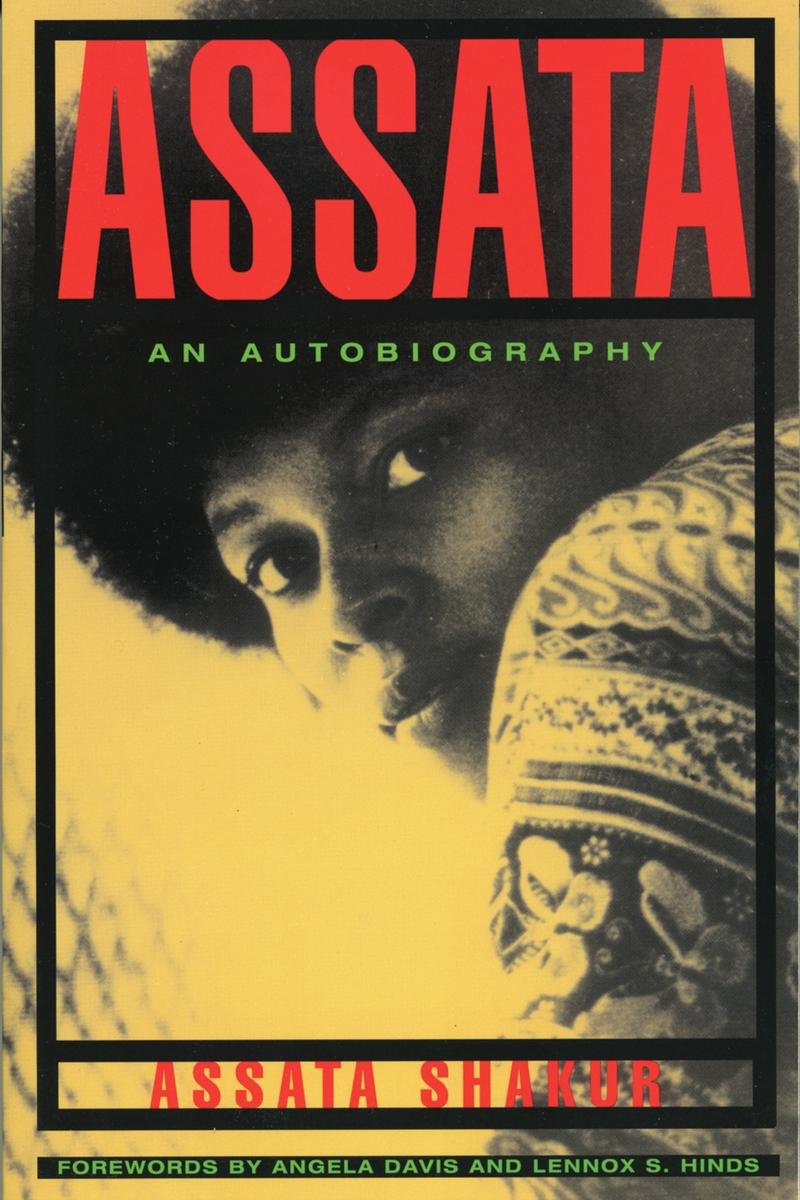
Assata Shakur: An Autobiography - Black Garnet Books
And Assata Shakur’s story is one of those legacies.
Born Joanne Deborah Byron in New York City in 1947, she grew up during the Civil Rights Movement, a period that transformed the political and social history of the U.S. While this movement was unfolding, many black families continued to experience racial discrimination, unequal opportunities, and police violence in their everyday lives. Those realities influenced a generation of young activists, including Shakur.
Like many college students during the 1960s, she became involved in organizations that challenged racial inequality and advocated for social change. Her political journey eventually led her to the Black Panther Party and later became involved with the Black Liberation Army.
The Black Panther Party implemented Survival Programs to give free breakfast for children, health clinics, clothing, transportation, and educational support in Black underserved communities.
Still Black Still Strong - Black Garnet Books
Within those movements, however, women frequently found themselves balancing leadership with persistent gender inequality. Shakur argued that: The fight against racial injustice could not be separated from the fight for women’s equality. Her advocacy reflected a broader conversation taking place within Black liberation movements about the role and recognition of women as political leaders.
On May 2, 1973, Shakur was traveling in her car on the New Jersey Turnpike and was stopped by New Jersey Troopers. That incident became a shootout resulting in the New Jersey Trooper Werner Foerster and fellow activist Zayd Malik Shakur death, and Shakur deadly injuries. Later, she wakes up in a hospital bed handcuffed and police trying to question her about it.
She was tried for Foerster’s death and maintained her stand denying all charges. Although many supporters questioned the evidence presented during the trial, she was convicted for 4 years, sentenced to life imprisonment and sent to the federal prison at New Jersey Clinton Correctional Facility for women.
That was not the end of her story.
In 1979, Shakur received three visitors from the Black Liberations in the visitors room, they posing as visitors pulled out armfire, took two guards hostage and commandeered a prison van to break Shakur out. Later, they released the hostages unharmed. After that, she remained underground for years before resurfacing in Cuba, where she was granted political asylum.
Assata Taught Me - Black Garnet Books
In Cuba, Shakur continued speaking publicly, writing letters, collaborating with other activists to voice and fight the racial inequality. While she continued to advocate for Black communities, the U.S. authorities repeatedly asked the Cuban government to extradite her to complete her sentence.
In 1987, she published Assata: An Autobiography, telling of her childhood, political awakening, imprisonment, and exile. The book remains one of the most influential firsthand accounts of the Black liberation movement written by a Black woman.

The Tale of the Panther and the Dove, Assata and Leila - Strive Bookstore
Her influence extended to her godson, Tupac Shakur. Raised by his mother, Afeni Shakur, a former Black Panther member, Tupac grew up surrounded by conversations about justice, community, and Black liberation. Later, he wore those themes in his music voice.
On May 2, 2013, the FBI added Assata Shakur to its Most Wanted Terrorist List, making her the first woman to receive that designation. She remained in Cuba for the rest of her life, where she continued to advocate for justice from exile. On September 5, 2025, Kakuya Shakur, announced that she died at the age of 78 due to health complications.

Assata Shakur: A 20th Century Escaped Slave - Strive Bookstore
Assata Shakur’s legacy continues to inspire many Black communities and women. Her life remains deeply connected to broader discussions about race, justice, and the place of Black women in movements for social change.
We invite you to read more about her life and legacy by clicking the links below to learn more about her. You can buy these books from Black Owned, shops. Black Garnet Books and the Strive Bookstore.
BLACK GARNET BOOKS
Assata: An Autobiography
Author: Lawrence Hill & Co. Assata Shakur, Angela Davis
Publisher: Chicago Review Press
Read More: https://www.blackgarnetbooks.com/item/U6pkcy2vRKOOWAzT3lKE7g
Still Black, Still Strong - Survivors of the U.S. War Against Black Revolutionaries
Author: Dhoruba Bin Wahad, Assata Shakur, Mumia Abu-Jamal
Publisher: MIT Press
Read More: https://www.blackgarnetbooks.com/item/rKXesG1umcL8grw04Pi6nQ
Assata Taught Me - State Violence, Racial Capitalism, and the Movement for Black Lives
Author: Donna Murch
Publisher: Haymarket Books
Read More: https://www.blackgarnetbooks.com/item/MsyLPnlFY3-dUThKroCeaA
STRIVE BOOKSTORE
Assata: An Autobiography
Author: Assata Shakur
Foreword by: Angela Davis
The Tale of the Panther and the Dove, Assata and Leila
Author: Assata Shakur & Leila Khaled
Assata Shakur: A 20th Century Escaped Slave
Author: Barbara Casey
We encourage you to subscribe so you’ll be the first to hear about our latest blogs and newsletters.
References:
Black History Declassified. (n.d.). Assata Shakur’s untold story: Escape, exile & legacy. https://blackhistorydeclassified.com/assata-shakur-s-untold-story-escape-exile-legacy/
Federal Bureau of Investigation. (n.d.). Assata Shakur. FBI. https://vault.fbi.gov/assata-shakur-joanne-chesimard/assata-shakur-joanne-chesimard-final/view
Oppman, P. (2025, September 26). Assata Shakur: I tracked down Tupac’s godmother – the FBI’s most wanted in Cuba – as a CNN intern. It was surprisingly easy. CNN. https://www.cnn.com/2025/09/26/americas/essay-finding-assata-shakur-cuba-fbi-latam-intl
Oppman, P. (2025, September 26). Assata Shakur: fugitive from FBI and Tupac’s godmother, dies in Cuba. CNN. https://www.cnn.com/2025/09/26/americas/assata-shakur-fbi-fugitive-dies-cuba-latam-intl
Shakur, A. (1987). Assata: An Autobiography. Lawrence Books. https://openlibrary.org/books/OL3581844M/Assata